Reunion Word Game Unlimited
Unlimited mode is the fastest way to build solving skill because you can run many boards in one session. This page explains what changes from daily mode and how to practice with intent.
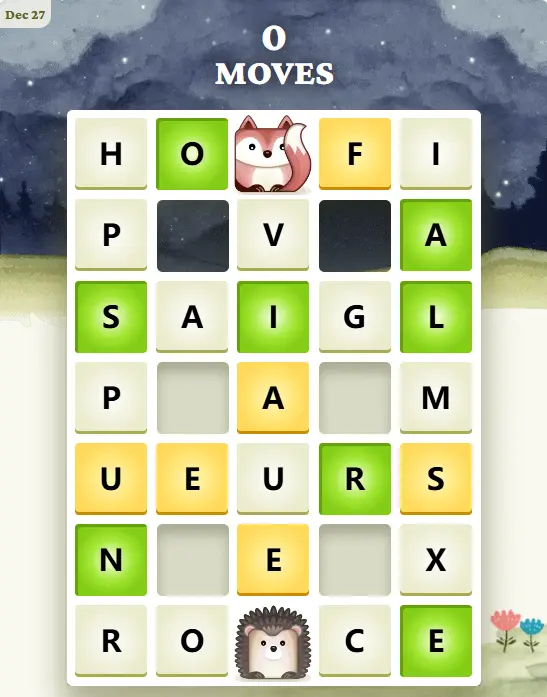
Unlimited mode is the fastest way to build solving skill because you can run many boards in one session. This page explains what changes from daily mode and how to practice with intent.
Daily mode gives you one board per day. Unlimited mode gives you repeated boards on demand. The mechanics are the same, but the learning loop is very different.
Daily mode helps you stay consistent, but it is slower for skill growth because you only get one attempt each day.
Unlimited mode is better for deliberate practice. You can focus on a single weakness, like poor opening moves, and fix it in one session.
If you only have 10-15 minutes, this routine is enough:
In most cases, yes. Reunion Word Game is designed for browser play, and the gameplay route referenced on this guide does not require a paid subscription from this site. Availability can change by publisher settings, so the safest method is to open the official game link and confirm access directly.
Usually yes. Unlimited sessions improve pattern recognition, yellow-tile interpretation, and move planning under less pressure. Those skills transfer to daily boards, especially when you review one repeated mistake after each practice run.
10-15 focused minutes is enough for most players. A practical structure is: 3 boards, 1 mistake to track, and 1 behavior change to apply on the last board. This keeps practice short and still improves solve quality.
Disclaimer: This website is an independent guide resource. It is not affiliated with, endorsed by, or connected to the original game publisher.